
6 Signs Your Insurer Isn’t Treating Your Complaint Seriously

The complaints process exists to protect you when something has gone wrong with your insurance claim. But in practice, not all insurers handle complaints with the care, urgency, and independence the rules require. If you have lodged a complaint and are seeing any of the signs below, it may indicate that your insurer is not meeting its obligations under the General Insurance Code of Practice and that escalation to AFCA may be warranted.
5 Expert Evidence Mistakes That Are Impacting Your Settlement Offer

When an insurance claim reaches the settlement stage, expert evidence becomes the battleground. Assessment reports, scopes of works, quotes and valuations are what insurers rely on to decide how your claim is settled and how much you’re paid. When that evidence is weak, incomplete or biased, your settlement will usually be too.
6 Questions You’re Probably Asking After Your Insurer Forces A Cash Settlement

Being told you have to take a cash settlement can feel like the insurer is washing its hands of your claim. Instead of fixing the damage, they hand you a number and shift all the risk, stress, and responsibility onto you. If that’s happened to you, these are the six questions most people ask next and the answers that really matter.
6 Rules for Keeping Safe in Temporary Accommodation During Your Claim

Temporary accommodation is not a favour. It is a critical safety benefit designed to protect you while your insurer works through the consequences of an insured event. Here’s the rules you need to know.
Maintenance issues and insurers offering cash settlements

Insurers often require maintenance issues or pre-existing damage to be fixed before repairs, as their trades must warrant work and provide a lifetime guarantee. However, reasonable requests usually relate only to issues that would affect repair quality. Insurers cannot use minor or unrelated defects to avoid repairs or force cash settlements.
Home Insurance Claims

When disaster strikes, dealing with home insurance claims can feel overwhelming. Whether it’s storm damage, flooding, fire, or theft, the process of getting your insurer to respond fairly is not always straightforward. This article explains how home insurance claims work, what to expect from your insurer, and how to maximise your chance of a fair outcome.
Insurance Fraud Investigations

When you make an insurance claim, your insurer may decide to carry out an insurance investigation. These investigations are designed to ensure the claim is genuine and within the terms of your policy. While insurers are entitled to investigate, they must act reasonably and fairly.
The insurance claims process

Filing an insurance claim can be stressful. By understanding the four main stages of an insurance claim, lodgement, assessment, liability, and settlement, you can protect your rights and make sure you get a fair outcome.
Storm and Flood Claims
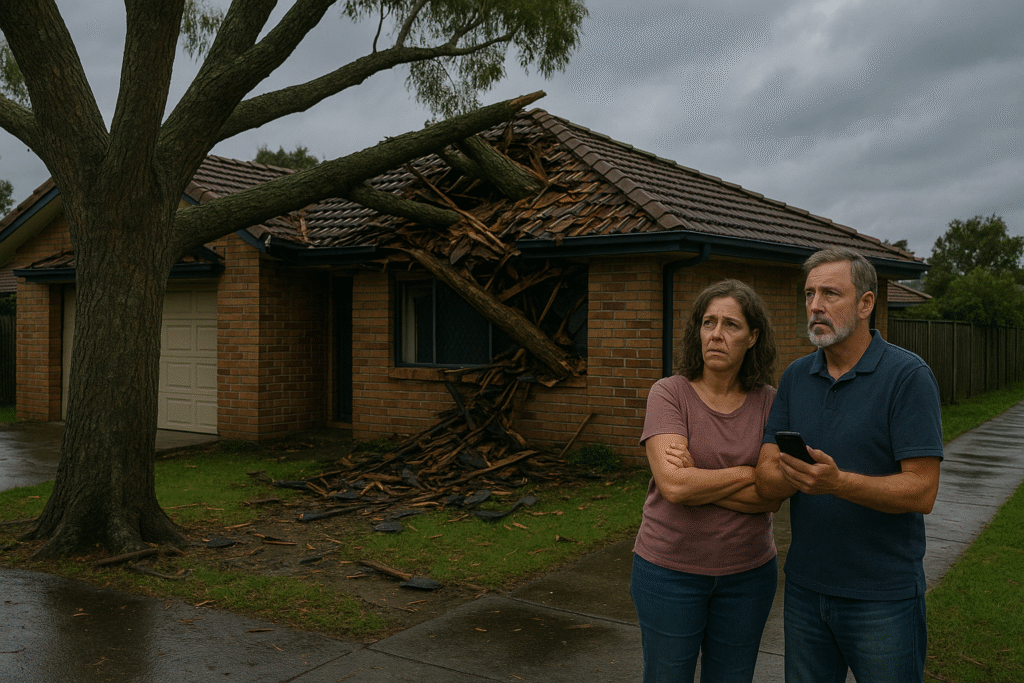
Storm and flood claims can be some of the most complex and stressful insurance claims for homeowners and landlords. Understanding how insurers assess these claims – and the key differences between storm and flood – is crucial to getting a fair outcome.
A letter to the insurance industry

At Claimboost, we want to be upfront about who we are, what we do, and how we intend to engage with the insurance industry.