

Your insurer has accepted the claim. But the offer leaves out repairs, uses a replacement value you cannot explain, or falls short of the quotes you have received.
Claimboost reviews the settlement, the evidence and the policy behind it. We identify what needs questioning and, if we take on your claim, deal with the insurer on your behalf.
Home and contents · Strata · Landlord · Motor · Business
The insurer has offered money to settle, but you cannot see how the amount will cover the accepted repairs or replacement.
Damaged areas, preparation, access or reinstatement work are absent from the insurer’s repair scope.
Your contents or vehicle appear undervalued, or the insurer has made deductions without a clear explanation.
Send the written offer and explain your concern. We can take an initial look and tell you whether a fuller review may help.
A low insurance settlement offer needs a breakdown. Which damage has been accepted? What work has been priced? What has been deducted? What remains your responsibility?
For a home insurance cash settlement dispute, we compare the offer with the repair scope, supporting estimate and any quotes you have obtained. The question is whether those documents describe the same job.
We look for differences such as:
A higher builder’s quote is useful evidence, but the difference needs explaining. A quote for a larger job cannot establish a shortfall by itself.
Cash settlement can also mean organising your own trades and managing the work. Ask how the proposed amount addresses the agreed repairs and what happens if further damage is discovered. The Insurance Council’s cash settlement guide explains the practical risks to consider.
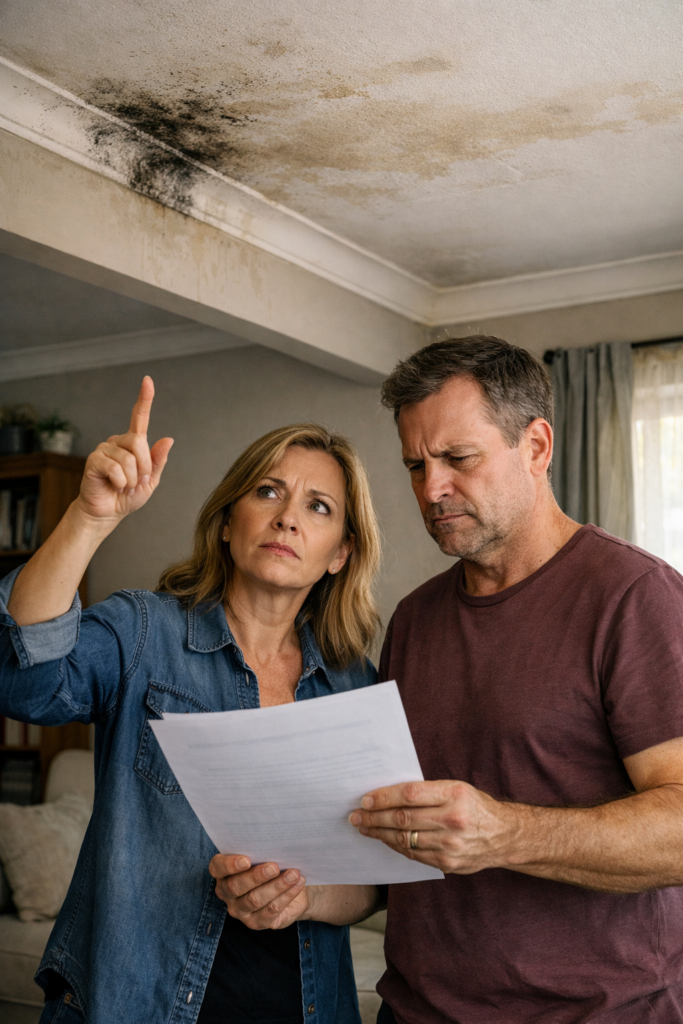
Compare the accepted damage, priced work and settlement breakdown.
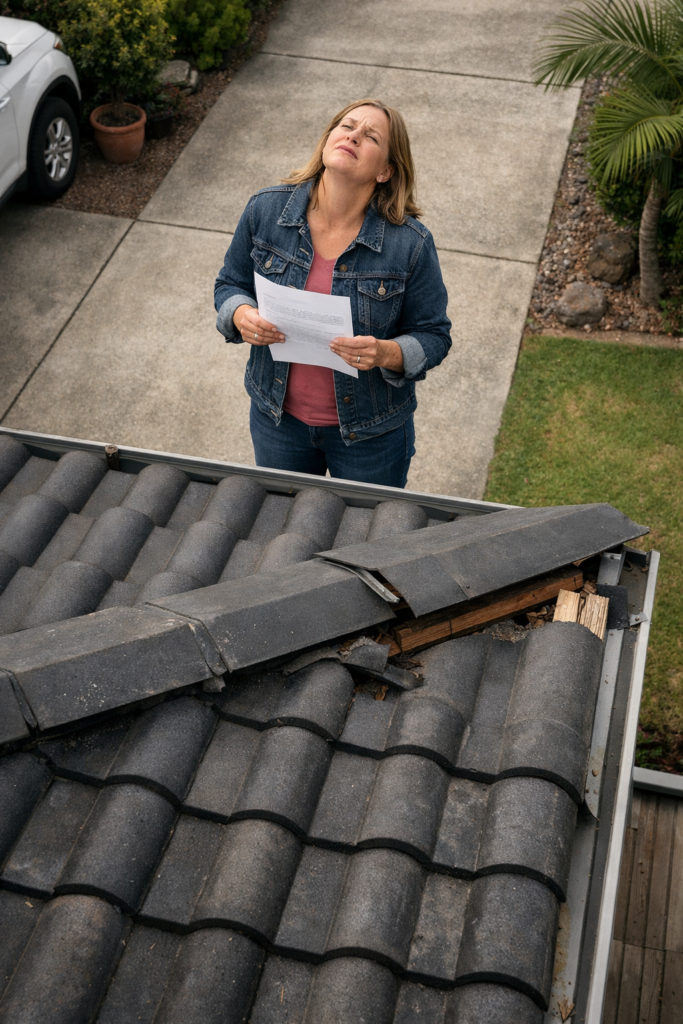
Check the affected areas, repair method and work needed to complete it.
An insurance scope of works dispute starts with what the repairer has been asked to do. If an affected area is missing, adjusting the labour rate will not fix the scope.
For example, a water damage scope might include painting a stained ceiling. Your evidence might raise a separate question about wet insulation or damaged material behind it. That needs investigation before anyone can say whether painting is sufficient.
We review the scope against photographs, reports and the insurer’s acceptance decision. Areas to check include:
We raise gaps in the assessment. Where the dispute needs a technical opinion, a suitably qualified building consultant, engineer or other expert may be needed. Claimboost’s advocacy review does not replace that assessment.
Whether particular work is payable depends on the damage, evidence and policy wording.
A replacement suggestion is only useful if it has been compared with the item you lost. A settlement deduction should have an explanation you can follow.
For a contents insurance payout dispute, we review the item description, model, specifications, supporting receipts and proposed replacement. A cheaper product may have different features. The policy’s settlement basis and any applicable item limits also matter.
For a car insurance payout dispute, we examine the valuation relied on, the vehicle details and the applicable policy basis. Comparisons should account for the relevant model, variant, age, kilometres and condition. Asking prices alone do not settle the question.
We also check how excesses, previous payments, limits and other deductions have been applied. A lower payout does not automatically mean the insurer has underpaid. The issue is whether the calculation is supported and consistent with the policy.

Item specifications, valuation evidence and deductions can change the calculation.
If the insurance payout seems too low, send us the written offer and the evidence behind your concern. We will explain whether Claimboost may be able to help challenge it.
The insurer acknowledges an affected area, but the scope or settlement contains no allowance for addressing it.
Your builder and the insurer’s builder have priced different quantities, materials or repair methods.
The proposed contents replacement or vehicle comparison overlooks details that could affect its value.
The amount changes after excesses, limits or other adjustments, without a breakdown showing how they apply.
You supplied an itemised quote, photographs or a report, but the insurer’s response does not address the specific differences.

Tell us what the insurer has accepted, what it has offered and why you disagree. Let us know whether you have accepted any payment or signed settlement terms.
Start with the offer, policy schedule and wording, repair scope, insurer’s estimate and any competing quote or valuation. Include the correspondence that explains the insurer’s position.
We consider whether there is a specific issue worth pursuing, what evidence may be missing and whether we can add value. We will also say if the offer appears supported.
If the claim is suitable, we explain the proposed work and fees before you decide. The initial review is free and carries no obligation to proceed.
If you engage Claimboost, we organise the evidence and put the disputed items to the insurer in writing.
“My builder’s quote is higher.”
“They have missed part of the damage.”
“This repair will not address the problem.”
“The contents replacement is cheaper.”
“The vehicle valuation seems wrong.”
“The deductions do not make sense.”
“They ignored my report.”
“They keep repeating the same amount.”
An initial look at the offer, available evidence and concern you want resolved. We explain whether further advocacy may be appropriate.
Review of the proposed payout, the calculation behind it and the relationship between the offer and accepted loss.
Comparison of the documented damage, insurer’s repair scope and competing quotes to identify material differences.
Review of the assumptions, descriptions and evidence supporting repair assessments, contents replacements and disputed valuations.
For claims we take on, we present the disputed items, request explanations and discuss the proposed settlement with the insurer.
Where appropriate, we help prepare the unresolved issues and supporting documents for an insurer complaint or AFCA process.

After months feeling lost in the maze of call centres and assessors, ClaimBoost has been a true lifesaver.
Deep expertise and clear guidance at every step, removing the stress that usually comes with insurance disputes.
Very helpful and knowledgeable in the complexities of insurance. I would recommend ClaimBoost.
Claimboost reviews disputed settlement offers by phone and online. Send the claim documents from wherever you are in Australia, including regional and remote areas.
We consider suitable home, contents, strata, landlord, motor and business insurance disputes. That might involve a body corporate questioning an incomplete common-property repair scope, a landlord disputing a loss-of-rent calculation, or a business questioning the damage allowed for in a property settlement.
The starting point is the same: what has been accepted, how has it been valued, and what evidence supports the difference you are disputing?

Tell us which insurer or insurance brand is handling your claim. You can submit an offer involving names such as:
The name on the policy does not determine whether we can assist. We review the policy, written offer, claim history and available evidence before confirming suitability. If your insurer is not listed, you can still request a review.
Claimboost is independent of these insurers and brands. Names are included for identification only and do not imply affiliation, endorsement or a finding that an insurer has underpaid a claim.
Ask for the calculation and documents behind the offer. Compare these with your evidence, then list the specific items you dispute. For each item, explain what is missing or incorrect and attach the supporting quote, photograph, receipt or report.
If the insurer’s response does not resolve those points, you can request a Claimboost review. A clear list of differences is more useful than a higher figure with no explanation.
No. The quotes may cover different work, include different materials or make different assumptions. Ask the repairer to itemise the work and explain why it is necessary.
For example, “replace damaged flooring in two rooms” and “repair one section” are different proposals. Establish which method the damage requires and how the policy responds before comparing the totals. We can review that disagreement and identify where technical evidence is needed.
They are different issues. An underpaid claim concerns whether the settlement properly reflects the covered loss. Underinsurance concerns whether the amount of cover is sufficient for the loss.
A shortfall can also involve a valid limit, excess or exclusion. A large difference between your costs and the offer does not, on its own, establish an error. Our review considers the settlement basis and the applicable policy limits alongside the damage evidence.
That depends on the options available under your policy and circumstances. Before deciding, ask what each option includes, who will manage the work, what repair assurances apply and how further damage would be dealt with.
If you would be arranging repairs yourself, obtain a clear scope and check the cost of that work. Read the Insurance Council’s explanation of cash settlements and request clarification of anything uncertain in the offer.
We can look at the documents to assess whether we may be able to assist. Send the offer, acceptance correspondence, payment details and any release or settlement agreement you signed.
Do not assume every accepted settlement can be reopened. The terms, circumstances and remaining issues matter. Claimboost does not provide legal advice; if the effect of a signed agreement requires legal advice, that needs a qualified lawyer.
Potentially. We separate the dispute about excluded damage from the dispute about the amount offered for accepted damage.
For example, a missing room may need a coverage decision reviewed, while an accepted room may need its repair estimate reviewed. Send both the partial-decline decision and settlement breakdown so we can identify which issue needs addressing. Suitability depends on the evidence and the claim’s position.
You can submit a disputed offer from these insurers or another Australian general insurance provider for an initial review. Include the insurer’s name, the claim number, the written offer and what you believe is missing or incorrect.
Claimboost works independently for policyholders. We confirm whether we can assist after reviewing the circumstances; naming an insurer here does not mean every claim involving that insurer is suitable.
Yes. You do not need to pay an advocate to make an AFCA complaint. Raise the issue through your insurer’s complaints process first. If it remains unresolved, AFCA may be able to consider it, subject to its rules and time limits. Its complaint service is free for consumers.
Claimboost’s role, if engaged, is to help present a suitable dispute and its evidence. See Moneysmart’s complaint guidance for the direct complaint route.
The initial Claimboost review is free and no obligation. If we propose further work, we explain the service and fees before you decide whether to proceed.
Further technical reports may have separate costs. Consider those costs and any advocacy fees when assessing the practical value of pursuing a disputed amount. We do not treat a free initial review as an agreement to paid representation.
No. We can identify issues, examine evidence and challenge an offer on claims we accept. We cannot promise that the insurer will increase the payment, change the repair scope or agree with our position.
The result depends on the policy, evidence and circumstances. If the settlement appears supported or we do not believe our involvement would add value, we will tell you.
Show us what the insurer has offered and where you believe it falls short. We will take an initial look and explain whether there may be a reason to challenge it.
Useful documents to have ready:
You do not need a complete file to book. Tell us what you have and what is still missing.
The initial review is free and no obligation. Any further service and fees are agreed separately. Claimboost is an independent insurance claims advocacy service, not an insurer or law firm. Claim outcomes depend on the circumstances, evidence and policy wording.