

A damaged room is missing. The builder has allowed for a patch repair you dispute. Or the scope lists replacement work without the access and reinstatement needed to complete it.
Claimboost reviews the proposed repairs against the insurer’s decision, reports and damage evidence. If we take on your claim, we put the disputed items to the insurer and seek a clear response.
The inspection recorded an affected area, but the repair document does not say what will be done about it.
The insurer proposes a local repair, but your evidence raises questions about whether it will address the damage.
The quotes include different quantities, materials or tasks. You need to understand which differences matter.
The scope is vague, refers to another document you do not have or leaves important work unresolved.
These are different problems. Before challenging an incomplete insurance repair scope, establish which one applies to each disputed item.
We compare the scope with the acceptance letter, inspection photographs and reports. That helps identify where the written repair instructions stop short of the documented position.
For example, a report may record water damage in a bedroom and adjoining hallway, while the scope only lists the bedroom. The first question is what decision has been made about the hallway—not simply how much more it would cost.
The Insurance Council’s scope of works guide explains that a scope lists proposed building repairs and may change as information becomes available. It also notes that some repairs may be excluded because the policy does not cover them.
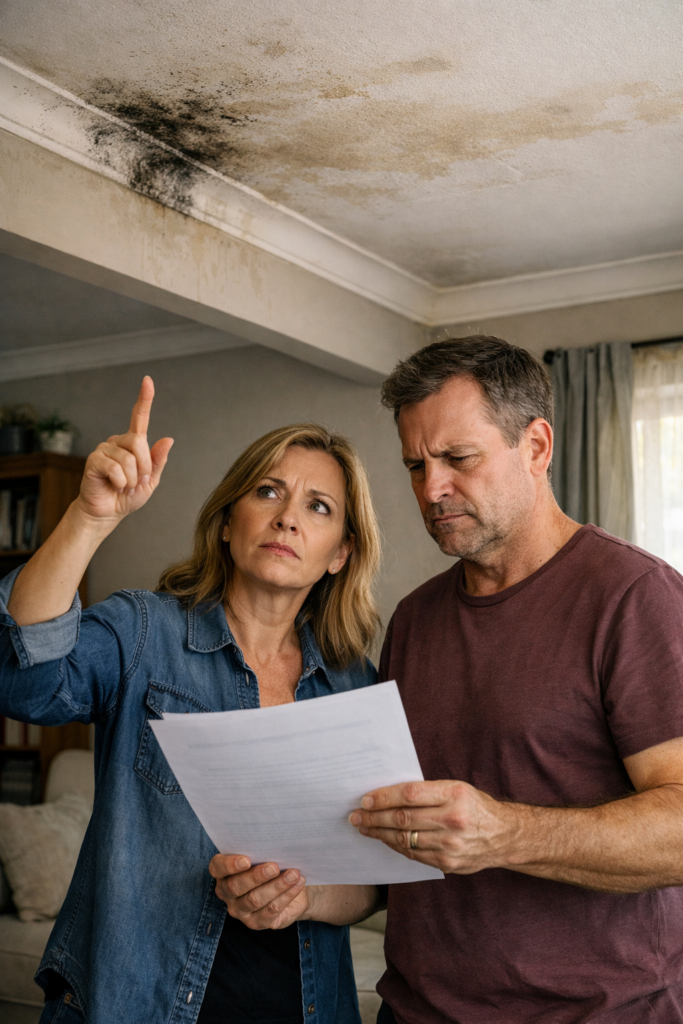
Match the affected area to the insurer’s decision and proposed repair.
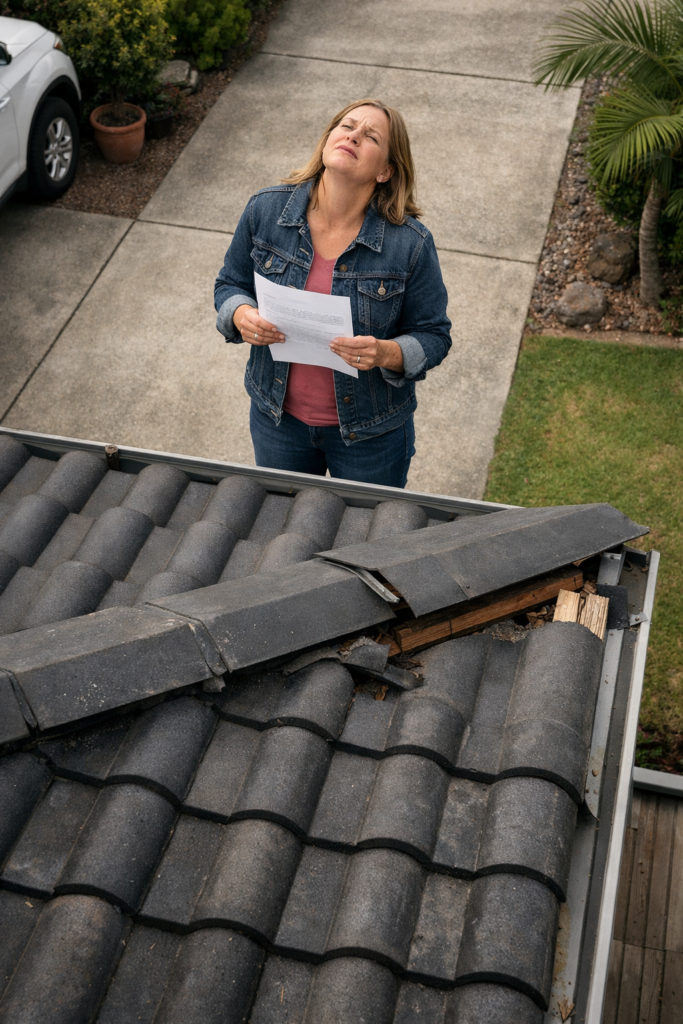
Check the method against the condition recorded in the evidence.
“Repair ceiling” or “make good wall” may not tell you enough. You need to understand the proposed method, its extent and the evidence supporting it.
We review disputes involving:
A preference for replacement is not proof that replacement is necessary. Where the disagreement is technical, a suitably qualified expert may need to explain why the proposed method is unsuitable and what work is required instead.
Claimboost reviews the evidence and challenges how the insurer has assessed the repair. We do not design repairs, certify building work or replace a builder’s or engineer’s technical opinion.
An insurer builder quote dispute often involves two different descriptions of the job. One quote includes removal, disposal and refitting. The other only prices the replacement material.
We compare the scope and quotes item by item, including:
If a quote says “by others”, ask who is responsible for that task and where it is included. If two trades both exclude the same work, the gap needs resolving.
Your repairer can help by identifying the exact differences and explaining why each disputed task is needed. A higher total alone does not show that the insurer’s scope is incomplete.

Compare quantities, specifications, exclusions and supporting work.
Send us the current scope, the insurer’s written position and the evidence of the missing work. We will take an initial look and explain whether Claimboost may be able to assist.
The insurer acknowledges an affected area, but the scope has no item addressing it.
The document does not define the method, extent, quantity or material well enough to understand the proposal.
Access, removal, refitting or disposal is needed according to the repair evidence, but no item covers it.
An area is inaccessible or damage remains uncertain, without an explanation of how it will be assessed.
The approved scope, builder’s quote and settlement calculation do not appear to reflect the same revisions.

Send the latest scope and insurer’s decision or offer. Include previous versions if an item has changed or disappeared.
Tell us the room or area, the relevant scope item and what you believe is missing or unsuitable. Attach the supporting evidence.
We consider whether the documents reveal a material gap, whether technical evidence is needed and whether advocacy may help.
If we propose further work, we explain the service and fees first. If engaged, we put the disputed items to the insurer and follow up its response.
“The hallway is missing.”
“They are only painting the ceiling.”
“The flooring repair stops at the doorway.”
“The cabinets must come out first.”
“Nobody has inspected behind the lining.”
“My builder includes more work.”
“The revised scope still has the old quantities.”
“The scope lists the work, but the offer does not.”
An initial look at the scope, written outcome and disputed work to assess whether Claimboost may be able to assist.
Review of whether the proposed work addresses the damage identified in the insurer’s decision and supporting records.
Review of the evidence for the proposed repair and any technical opinion supporting a different method.
Comparison of quantities, specifications, exclusions and tasks to identify the reasons for differences between quotes.
For claims we take on, we present the disputed items and request explanations or scope changes supported by the evidence.
Where appropriate, we organise unresolved scope issues and supporting documents for the insurer’s complaints process or AFCA.

After months feeling lost in the maze of call centres and assessors, ClaimBoost has been a true lifesaver.
Deep expertise and clear guidance at every step, removing the stress that usually comes with insurance disputes.
Very helpful and knowledgeable in the complexities of insurance. I would recommend ClaimBoost.
Claimboost reviews suitable home building, strata, landlord and commercial property claim disputes by phone and online.
For an owner, the concern may be a room left out of the repairs. For a body corporate, it may be common-property work missing from the building scope. For a business, it may be removal and reinstatement tasks absent from the proposed property repairs.
Send the current documents and explain the unresolved work. We assess the insurer’s position and whether we can add value to the dispute.

You can submit a disputed repair scope from a claim involving an insurer or insurance brand such as:
Include the builder’s name and the scope’s date or version number. If your insurer is not listed, you can still request an initial review. We confirm suitability after considering the claim documents and circumstances.
Claimboost is independent of these insurers and brands. Names are included for identification only and do not imply affiliation, endorsement or that a particular insurer’s scopes are incomplete.
A scope of works describes the proposed repair or rebuilding tasks. A quote prices those tasks; a report provides assessment findings; the insurer’s decision explains its position on the claim. These may be combined in some documents, but they serve different purposes.
When reviewing a scope, check which version is current and whether the quote and offer refer to that same version. A change to one document may not have been carried into the others.
Identify the affected area and the evidence showing the damage. Ask the insurer whether it was overlooked, excluded or left for further assessment. Request a written explanation or an updated scope as appropriate.
For example: “The inspection photographs show damage to the hallway ceiling, but the scope only lists the bedroom. Please confirm how the hallway damage will be addressed.” Keep a copy of the response and any revised documents.
You can ask the insurer to explain why the proposed repair is suitable and put contrary evidence to it. A builder or relevant specialist may need to explain why a local repair would not address the documented damage.
There is no blanket answer that every damaged roof, floor or wall must be replaced in full. The condition, repair requirements and policy wording matter. Claimboost reviews that disagreement; we do not provide the technical specification ourselves.
Document the affected area, proposed product and expected difference. Ask the repairer to explain what can be achieved and the insurer to explain its policy position on the proposed finish.
A matching concern does not automatically establish cover for replacing an entire room or adjoining undamaged areas. We can review the evidence, repair proposal and insurer’s reasoning to identify what remains disputed.
Notify the insurer promptly, keep photographs and ask how it wants the new findings assessed. Request written confirmation of any changes to the work and keep the revised scope with the claim records.
Further findings may lead to reassessment, but additional work is not automatically covered. Clarify the insurer’s position before treating the work as approved. The Insurance Council’s scope guide discusses revisions when new damage information becomes available.
A quote you obtain is evidence to consider, not proof by itself that the insurer’s proposal is wrong. Ask your builder to itemise the differences and explain the need for each disputed task.
We review whether the quotes describe comparable work and whether the insurer has addressed the relevant differences. The policy and claim circumstances affect the available repair and settlement arrangements. We do not promise that the insurer will adopt a particular builder or price.
Check whether the proposed repair depends on those tasks and where they are addressed. They may be separate line items, included in another allowance or assigned to a different trade.
Ask for clarification where responsibility is unclear. If a necessary task appears absent, support the request with the repairer’s explanation. Whether the insurer pays for a specific item depends on the covered damage, evidence and policy terms.
Claimboost provides claims advocacy. We review the insurer’s scope and the evidence behind disputed repairs; we do not replace a qualified professional who inspects the property and prepares technical repair specifications.
If an independent scope or expert report is needed, the task should be defined clearly and undertaken by a suitably qualified professional. That work may have separate fees. An initial Claimboost review can help identify the question that further evidence needs to answer.
Yes. Write to the insurer, list the disputed items and provide the evidence and outcome you are requesting. If the issue remains unresolved, AFCA may be able to consider the dispute, subject to its rules and time limits.
You can use the complaint process yourself. Claimboost may assist with presenting a suitable dispute if engaged. Moneysmart explains the complaints process and free external dispute resolution options.
The initial claim review is free and no obligation. If we recommend further advocacy work, we explain the service and fees before you decide. It is not a promise of a complete technical scope assessment during the initial appointment.
We cannot guarantee additional repairs or a higher settlement. We identify issues and present supporting evidence on claims we accept. The outcome depends on the circumstances, evidence and policy wording.
Show us the insurer’s repair scope and explain which items you dispute. We will take an initial look at the documents and tell you whether Claimboost may be able to assist.
Useful documents to have ready:
The initial review is free and no obligation. Further services and fees are agreed separately. Claimboost provides independent insurance claims advocacy, not legal advice, building certification or technical repair design. Claim outcomes depend on the circumstances, evidence and policy wording.
Select an available appointment below. If you only have part of the file, tell us what is available.