A burst pipe, failed flexi hose or leaking appliance can leave damage well beyond the source of the leak. Whether your insurance covers that damage depends on what happened, the evidence and your policy wording.
If your water leak insurance claim has been declined, delayed or only partly accepted, Claimboost can review the insurer’s position and whether we may be able to help.
Independent claims advocacy for policyholders across Australia.
“Escape of liquid” is a policy term for water or another liquid escaping from specified sources. Depending on the policy, these can include fixed pipes, hot water systems, washing machines, dishwashers and other listed appliances or fittings.
A water leak insurance claim may fall under this section of your home policy. However, water entering through a roof during a storm or rising through a property during a flood may involve different insured events and exclusions. The description of the damage alone does not establish cover: the source matters. Allianz PDS; NRMA PDS.
Start with three questions:
It can, but covering damage caused by a leak is different from paying to repair the leak itself. Finding and accessing the source can be a separate coverage question again.
For example, the Allianz and NRMA policy documents reviewed for this guide distinguish resulting damage from the defective item and contain conditions for investigative work. Their wording is not identical. Check the PDS, policy schedule and supplementary documents that apply to your own claim. Allianz PDS; NRMA PDS.
| Part of the claim | What to check |
|---|---|
| Repairing the failed pipe, hose or appliance | What to checkDoes the policy exclude the item that caused the escape? An accepted water-damage claim does not necessarily include replacing that item. |
| Repairing damage caused by the water | What to checkWhich walls, ceilings, floors, cabinetry or belongings are affected? Has the insurer accepted the cause and assessed each damaged area? |
| Finding and accessing the leak | What to checkIs there a locating or exploratory-work benefit? What approval, limits or conditions apply, including to damage caused when opening an area? |
Ask the insurer to address these costs separately. A statement such as “the pipe is not covered” leaves an important question unanswered: what is its position on the damage the escaping water caused?
You may discover a leak suddenly even though water has been escaping for some time. Record when you first noticed the problem, but do not assume that this proves when the leak began.
If the insurer relies on gradual damage, deterioration or maintenance, ask for the exact clause and the evidence supporting its use. Where the wording turns on whether you could reasonably have known about a leak, visible staining, previous repairs and the location of the damaged pipe may be relevant. Other exclusions can operate differently. A concealed leak is not automatically covered simply because you could not see it. Allianz PDS.
Your claim timeline should distinguish:
Ask the report writer to distinguish observations from estimates. “The cabinet was swollen when inspected” is an observation; “the leak had continued for six months” needs an explanation of how that conclusion was reached.
A leaking water pipe behind a bathroom wall and water escaping through a shower recess are different causes. Some policies specifically exclude damage from a leaking shower base or recess. The presence of water in a bathroom does not, by itself, establish which cause applies. NRMA’s escape-of-liquid exclusions.
If the report refers to waterproofing, grout, a pipe or the shower base, ask what inspection or testing identified that source. Where several possible sources remain, further investigation may be needed before anyone can draw a reliable conclusion.
The aim is to give the insurer a clear account of the loss, supported by records that can be checked.
Arrange safe action to stop further damage. Contact the insurer promptly about emergency work and the claim process. Where practical, obtain instructions before repairs or disposal; keep photographs and invoices if urgent action is necessary. Do not leave an active leak running simply to preserve evidence. Financial Rights Legal Centre: making a home or contents claim.
Ask the plumber or leak-detection specialist to record:
If they cannot determine how long the leak existed, the report should say so. Ask for a factual explanation rather than a particular insurance conclusion.
Create a dated photo record and a short list of affected areas. For example: “Kitchen — swelling to the sink cabinet base and staining on the adjoining wall.” Add new damage as it becomes apparent.
Keep photographs of belongings and any available purchase or replacement records. These can help document a contents claim separately from repairs to the building. Financial Rights Legal Centre: making a home or contents claim.
Save the claim number, policy documents, reports, invoices, written decisions, repair scopes and correspondence in one folder. After a phone call, send a brief email confirming important points and any action agreed.
Once a scope or settlement arrives, work through it against your room-by-room record. Mark anything omitted or unclear and ask for an explanation. An unexplained difference between the damage record and the repair proposal is a useful starting point for a specific question.
More documents are not always better. Focus on the evidence that answers the disputed point.
| Disputed point | Records to gather | Question to put to the insurer |
|---|---|---|
| Where the water came from | Records to gatherPlumbing report, leak-detection results and source photographs | Question to put to the insurerWhat evidence identifies this source rather than another possible cause? |
| How long the leak existed | Records to gatherDated photographs, earlier inspections, maintenance records and the plumber’s findings | Question to put to the insurerHow was the estimated duration established? |
| Whether signs were apparent earlier | Records to gatherPrevious property reports, correspondence and records of the first visible change | Question to put to the insurerWhich earlier warning signs are you relying on, and when were they present? |
| How far the damage extends | Records to gatherMoisture readings, inspection notes and photographs tied to specific rooms | Question to put to the insurerHave the affected adjoining or concealed areas been investigated? |
| Whether the repair scope is complete | Records to gatherThe insurer’s scope and an itemised repair quote or relevant technical report | Question to put to the insurerWhy has this documented item or repair step been omitted? |
An expert report should explain its findings and limitations. Claims advocacy involves reviewing how that evidence has been used; it does not replace an inspection or technical opinion.
An accepted claim can still leave a dispute over the repair method, affected areas or proposed settlement.
Check whether the scope explains:
These are questions to resolve through evidence and policy wording. They are not a list of items every insurer must pay for.
Illustrative example: A hose leaks inside a kitchen cupboard. The scope includes replacing the cupboard base, while a later report records moisture in the adjacent wall. The next question is whether the wall needs further investigation and, if damage is confirmed, how the insurer proposes to address it. That question is separate from who pays for the failed hose.
For more detail, see our help with insurance scope of works disputes.
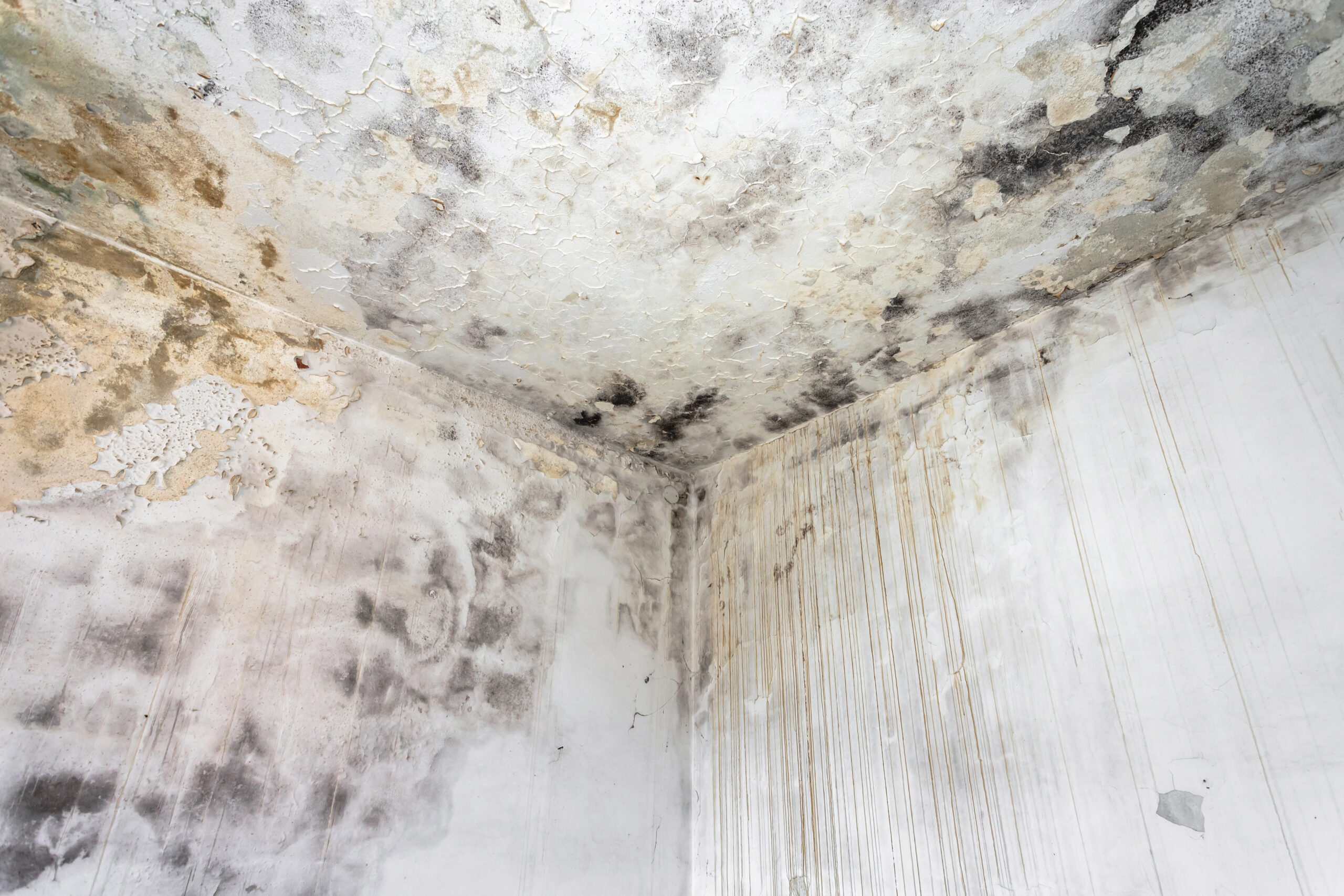
Record when mould was first noticed, where it appeared and what drying or investigation had already occurred. Ask whether the assessment addresses the moisture source and the affected areas. Mould does not establish coverage by itself; the cause, policy terms and subsequent events matter. Read more about mould damage insurance claim disputes.
If the claim is declined: Obtain the written decision, the policy clauses relied on and the relevant reports. Identify the particular facts or conclusions you dispute and support your response with evidence. Financial Rights Legal Centre: refused claims.
If the claim is delayed: Ask what information is outstanding, who needs to provide it and what the next assessment or decision step will be. Keep a dated record of requests and responses. See help with delayed insurance claims.
If the offer or scope appears incomplete: Identify the missing work and provide the documents that support it. Ask whether the insurer disputes the damage, the repair method, the cost or coverage. Those are different issues and need different responses.
Please confirm your position on the water damage in [affected area].
Your decision/report dated [date] states [specific reason or finding]. The attached [document and date] records [relevant evidence]. Please explain how this evidence was considered.
Please also identify the policy clause you rely on and confirm your position separately on repairing the source, repairing the resulting damage, and any relevant leak-location or access costs.
If further information is needed, please specify what is required and the next step in the assessment.
If the matter remains unresolved, you can make a formal complaint to the insurer. AFCA provides free, independent dispute resolution for eligible complaints, subject to its rules and time limits. You can approach AFCA yourself; engaging an advocate is not a requirement. Financial Rights Legal Centre: AFCA complaints.
Claimboost reviews the insurer’s decision, the available evidence and the proposed outcome before confirming whether we can assist.
For a disputed water leak claim, that may mean examining:
Where technical questions remain, a plumber, leak-detection specialist, building consultant or other relevant expert may need to provide further evidence. We assess the dispute and how it has been handled; we do not replace those specialist investigations.
If Claimboost accepts the matter, we can help organise the disputed issues and present them to the insurer. We cannot promise that a decision will change. The outcome depends on the circumstances, evidence and applicable policy wording.
Both expressions can describe water escaping from a pipe, appliance or another specified source. “Escape of liquid” may extend to other liquids, depending on the policy. Use the definition and list of sources in your own policy rather than treating either phrase as a guarantee of cover.
The pipe’s location does not settle the coverage question. Ask the insurer to explain its position on the failed pipe, the resulting damage, and the work needed to locate or access the leak. Obtain agreement on investigative work where practical before committing to costs.
Do not assume that damage to one section means every adjoining item will be replaced. Equally, a limited scope should explain how the proposed repair addresses the documented damage. If a contractor says a smaller repair is not workable, ask them to explain why in writing so the insurer can respond.
Describe what you know: when you discovered it, what you observed and what the plumber found. Avoid guessing how long it existed. If a report estimates the duration, distinguish that expert assessment from your own observations.
Notify the strata manager or body corporate and document which areas and belongings are affected. Responsibility for investigating the source and the applicable insurance can depend on the building arrangements, location of the damage and relevant policies. Claimboost also reviews suitable strata insurance claim disputes.
Have your claim number, insurer’s written position, relevant reports and any proposed scope or settlement available. A short timeline and the main reason you disagree will help explain the issue. If you are still waiting for a decision, bring the latest correspondence instead.
Has your water leak claim been declined, stalled or left you with a repair proposal that does not address the damage?
Book a time to discuss what has happened and whether Claimboost may be able to assist. We will explain the next information needed to assess suitability for claims advocacy.
